
 France
 Germany
 Italy
Italy Spain
Spain Ireland
 Czechia
The producers of BBC drama ‘Call the Midwife’ based an episode on the biographical work ‘Four Fingers and Thirteen Toes’ after author Rosie Moriarty-Simmonds wrote to the BBC insisting that the subject of the drug Thalidomide should be highlighted.
A Devastating Part of History Dramatised
Her mother, Mena Moriarty, was just one of hundreds of women across Britain to take the drug during her pregnancy. The latest series of ‘Call the Midwife’ brings the subject to the forefront of viewers’ minds after being buried in the past for over 50 years. This will be the first time the topic has been tackled in a TV drama.
Rosie is one of many Thalidomide survivors contacted by BBC producers as the programme’s writers wanted to ensure that the information provided in the episode was factual and inspirational. She hopes the resulting plot will aid other survivors as they try to gain more recognition and compensation. 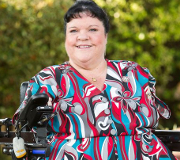
Loving Parents
The drug Thalidomide was used as a treatment for many of the symptoms that accompany pregnancy and was prescribed between 1958 and 1962. Consequently, more than 2,000 babies were born in the UK with a wide spectrum of disabilities, many more women miscarried. For those impaired by Thalidomide, their greatest hurdle was the ignorance and prejudice they faced. Rosie, now 55, commented that “There have been so many awful moments growing up in Cardiff.”
Call the Midwife will access so many more people – more than a documentary.
Rosie was born with Phocomelia, she has no arms but two fingers on each shoulder. She also has shortened legs and two small feet carrying 13 toes. At the time she was born, parents of Thalidomide affected children were urged to leave them at an institution. Many Thalidomide survivors have struggled without the support that Rosie enjoyed and although her debilitation was more extreme than many other babies affected by the drug, she remained resilient thanks to the love and support from her parents.
Campaigning for Justice
Thanks to the early encouragement and support from her family Rosie grew in confidence and has been campaigning for disabled people’s rights for a number of years. She was awarded an OBE in 2015 for services to the equality and rights of disabled people, presented to her by the Queen. Her campaigning and the new interest in the BBC’s storyline could help renew a 55-year battle for justice. Those affected still want Chemie Grunenthal, the drug’s inventors, to take responsibility and are calling on the German government to pay adequate compensation to affected families.
“Call the Midwife will access so many more people – more than a documentary,” said Rosie, “and it will deliver our story in bite-size pieces of information to people of all walks of life.
The episode mentioned was aired on 17th January and is available to watch on BBC iPlayer.


