
 France
 Germany
 Italy
Italy Spain
Spain Ireland
 Czechia
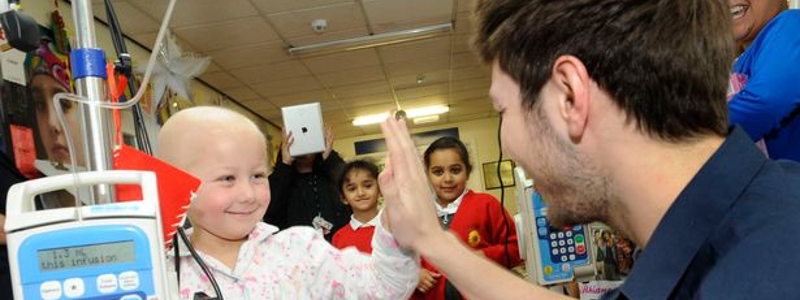
Having been criticised eight years ago, for insufficient numbers of beds, operating theatres and trained staff, Birmingham Children’s Hospital moved heaven and earth to become the first stand-alone hospital of its kind to receive an “outstanding” rating from inspectors in England.
The standard of the infirmary has been turned around substantially and the NHS trust has been praised by the Care Quality Commission for “working effectively to provide the best care”.
While hospitals face tests on a daily basis, the Birmingham Children’s Hospital must overcome extra challenges as staff look to support whole families and help patients feel relaxed in an intimidating environment.
Although the outpatients clinic is always busy, the patients can find ways to enjoy themselves. Five-year-old Macey Hardcastle, who suffers from Stickler Syndrome, commented: “I play so I don’t get bored. I feel OK about coming here because I know it’s going to be OK.”
Going the Extra Mile
Another patient who has been benefiting from this upgrade has been seven-month-old Connor McCue, who, at 12 weeks old, was diagnosed with a rare liver condition.
Connor’s mother, Jess, recently turned 28 and the hospital staff displayed balloons and cards for her. She said: “We’ve nearly lost Connor several times in the last six weeks of being here – without them, we wouldn’t have a child lying in this bed.”
Based on actions like this, the hospital has been commended for the emotional support it provides to bereaved parents. Families facing the worst of times, when a child needs end of life care, will now have use of a new £1m unit called Magnolia House, which is in the hospital grounds. Many of the furnishings in Magnolia House have been paid for through fundraising by families of children who have been admitted to the hospital.
Open to Change
One of the main factors in the hospital’s dramatic change over the past eight years has been the NHS trust listening to the views of patients and staff and acting on their ideas.
Fiona Reynolds, who is the hospital’s most senior doctor, said: “It was a difficult time. Some of our specialist teams didn’t have the right training and we weren’t pulling together as a team. Since then we’ve used our beds more wisely and coordinated our care in a more logical fashion, so we can look after more patients in the same number of beds.”
As positive and as major as the changes have been for Birmingham Children’s Hospital, there is still improvement required in neonatal care and community mental health services. However, from where the infirmary is now compared to all those years ago, it’s significantly better. The difference they are making to many young lives is staggering and they should be proud to be the first stand-alone hospital of its kind to be deemed as being “outstanding”.


