
 France
 Germany
 Italy
Italy Spain
Spain Ireland
 Czechia

Allied Mobility is the UK’s leading specialist in wheelchair accessible vehicles (WAVs) and the Official Accessibility Partner of the Glasgow 2026 Commonwealth Games.
As leaders in accessible travel, our WAVs are made for more than transporting wheelchair users from A to B, they’re made so wheelchair users can experience destinations, connections and activities on their own terms.
That ethos is reflected in our support of this year’s Games, where we’re proud to be providing a fleet of WAVs to help Para athletes move between venues with comfort, confidence and ease.
This year’s Games is also the first in Commonwealth history to integrate Para sport into the programme, making our partnership with Glasgow 2026 all the more exciting. With one month to go until the opening ceremony we can’t wait to help ensure everyone can be part of moments that matter.
Six Para Sports to Choose From
There are six Para sports taking place in iconic venues across Glasgow which will be broadcast by TNT Sports. Use the navigation below to learn more about what each Para sport entails and when you can watch!
3×3 Wheelchair Basketball
One of the world’s oldest para sports, wheelchair basketball shares many core rules with the able‑bodied game, including court size, hoop height and match length. The first team to reach 21 points wins.
To account for wheelchair movement, players must

pass or bounce the ball after every two pushes, and while more physical contact is allowed than in the able‑bodied game, head‑on contact is not permitted.
In the 3X3 competition, players are assigned a classification number based on their functional ability. To ensure fairness, the total number of points on the court for each team at any time is a maximum of 8.5.
Watch: 24th – 29th July.
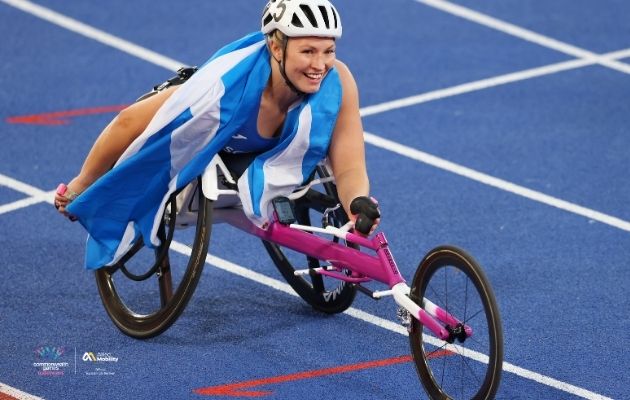
Para Athletics
Para athletics will include events across track and field.
Athletes are classified based on how their impairment affects performance, ensuring fair competition. The Para Athletics classification system uses T for track events and F for field events. The numbers after the letters tell you the type and severity of the athlete’s impairment.
Watch: 27th July to 1st August.
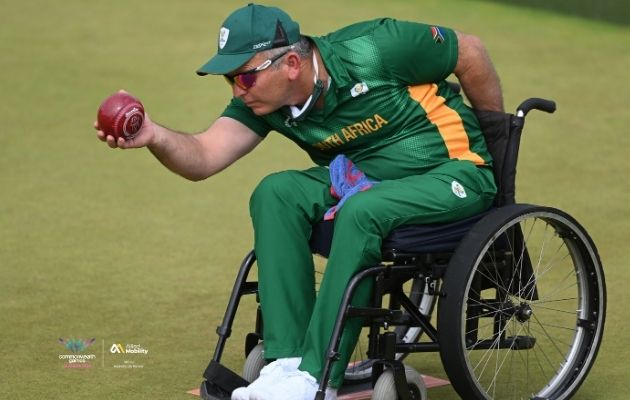
Para Bowls
Para Bowls largely follows the same rules as the mainstream game with the objective being to get your bowl closer to the jack than your opponents. Adaptations such as delivery aids and assistants help ensure accessibility.
In Para Bowls, classifications B1–B4 apply to athletes with visual impairments, while B5–B8 are for athletes with physical disabilities. This system helps create a level playing field for all competitors.
Watch: 24th July to 2nd August.
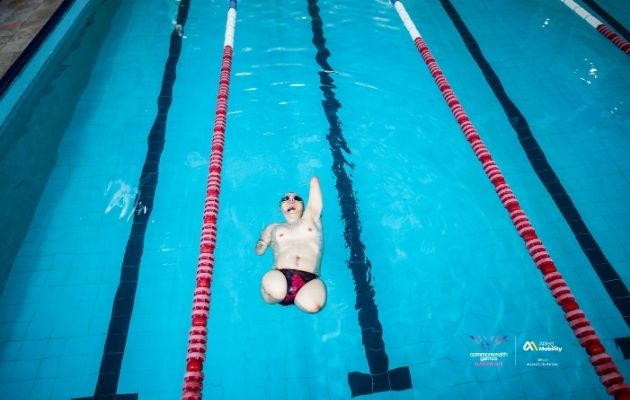
Para Swimming
Para Swimming features breaststroke, freestyle, backstroke and individual medley events.
To compete, athletes must have an eligible impairment and meet the minimum impairment criteria outlined in the World Para Swimming Classification Rules and Regulations.
There are 10 eligible impairment types, numbered from 1 to 10, which help ensure fair and balanced competition.
Sport classes are identified by prefixes depending on the event: “S” for Freestyle, Butterfly and Backstroke; “SB” for Breaststroke; and “SM” for Individual Medley.
Watch: 24th to 29th July.
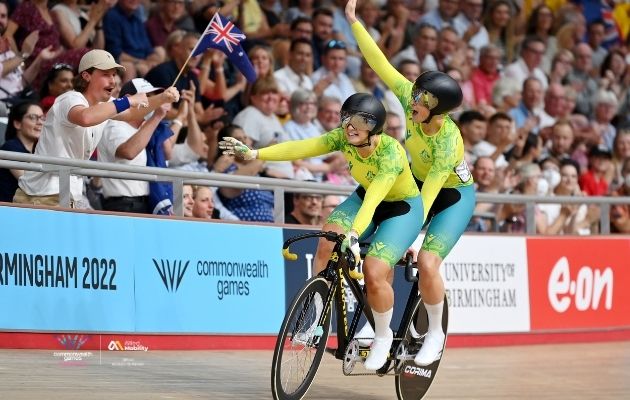
Para Cycling
Para cycling will see athletes compete in Individual Pursuit and Time Trial.
Time Trial sees riders compete for the fastest time across the finishing line, while the Individual Pursuit puts two riders at a start line on opposite sides of the velodrome as they race against the clock and each other for the fastest time.
Para track cyclists compete in different categories based on their impairment and the type of bike used. Category C includes athletes riding conventional bicycles, with adaptations where needed, while category B is for visually impaired athletes who ride tandem bikes with a sighted pilot.
Athletes are then assigned a sport class, C1–C5 or T1–T2, with lower numbers indicating a higher level of impairment.
Watch: 30th July to 2nd August.
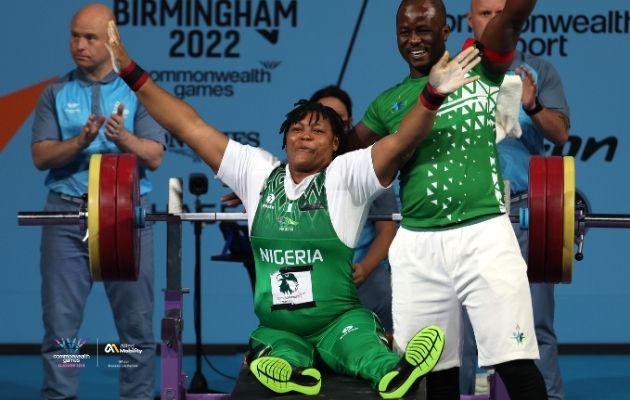
Para Powerlifting
Para powerlifting athletes compete exclusively in the bench press.
To complete a lift, the bar must be lowered under control to the chest, held still and then pressed upwards to full arm extension with locked elbows. Each attempt is judged immediately by three international referees using a red and white light system:
Two or more white lights signal a successful lift
Two or more red lights result in a no lift
Each athlete is allowed three attempts, with the winner determined by the heaviest successful weight lifted. In some cases, a fourth lift may be awarded at the jury’s discretion for a world‑record attempt, though this does not count towards final rankings.
Watch: 24th July.
WAVs Made for You
There are several ways to a WAV, options include leasing a new or nearly new accessible car through the Motability Scheme, purchasing a brand‑new or RAC-approved used WAV, or arranging short‑ or long‑term WAV hire.
Whatever your needs, our experienced mobility advisors are on hand to guide you towards the right WAV solution for you and your family. Get in touch today by calling the number at the top of the page or tap the button below to enquire online.


