
 France
 Germany
 Italy
Italy Spain
Spain Ireland
 Czechia

The Taboo of Disabilities
Statistics show that approximately 13% of children and 20% of the general population have a disability. The chances are, in your average class at school there will a few students with one. When it comes to talking to your child about disabilities however, it can often be a taboo topic. Often, it’s just because of the lack of confidence and knowledge from parents, which is why I’m here today to encourage you to talk about disabilities in your everyday life.
 Why it’s Important
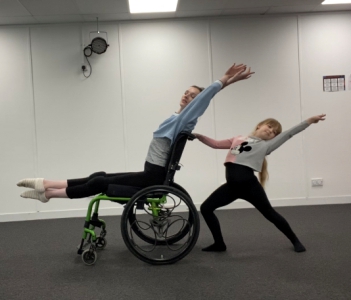
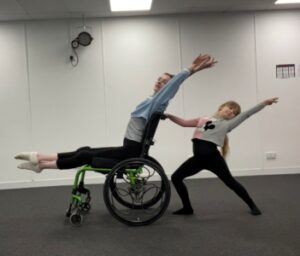
I honestly believe that educating children is key to a more inclusive future. There is still a major lack of disability awareness in school curriculums, so children don’t often get the opportunity to learn or ask questions. My seven-year-old nephew is from a very privileged position where he can and has been encouraged to ask me any questions around my disability. But many people haven’t had the opportunity to do that which is why I think there should be more resources available.
The Do’s and Don’ts
To keep it simple, here’s a list of the top three do’s and don’ts when it comes to talking to your child about disabilities.
| Do: | Don’t: |
| If you don’t know the answer to a question, don’t worry! Suggest that you research it and learn together. | Make up your answers. |
| Do: | Don’t: |
| Some people really struggle talking about their disability and it can be traumatic. It’s important to read a person’s body language to see if it’s good to open up the conversation. Remember, don’t ask invasive questions! | If your child asks, you can (and I encourage you) to answer but sometimes the disabled person may not want to add to the conversation. Only ask more questions if they open up the conversation. |
| Do: | Don’t: |
| It’s a really important part of learning so spend time answering questions | Tell your child not to ask questions like that / pull them away |
Answering Those Hard Questions
Here are a few everyday scenarios I’ve found myself in as both a disabled person, and/or an auntie. Everyone will respond differently and some questions are tough but this is an example of how I would build my response if a young child asked a question.
Q: “Why is that person in a wheelchair?”
Kate’s Answer: ‘I’m not sure, but some people use wheelchairs because they get tired, have pain or have an injury. There are lots of reasons!’
It’s always important to not assume someone’s condition. Some disabled people will use this as an opportunity to talk about their condition whilst others prefer to keep things private.
Q: “Are you going to get better?”
Kate’s Answer: “I have a condition which means I will be disabled for a long time but it means I can beat you at wheelchair races. You don’t need to worry about me because I’m OK at the moment and I’ll let you know if you ever need to worry.”
The toughest question to answer, but I’ve learnt to be realistic with a positive spin and to always reassure.
Q: “What happened to them?”
Kate’s Answer: “I don’t know but some people are born with disabilities and some people get them when they’re older, like your Auntie Kate.”
The best thing is to focus on why they’re asking that question, ie, is it because they are in a wheelchair, and go with an explanation of why people use wheelchairs.
My overall tip would be to encourage, educate and be kind. Thank you for taking the time to read this and hopefully make disability less of a taboo topic, especially within schools and children.


