
 France
 Germany
 Italy
Italy Spain
Spain Ireland
 Czechia
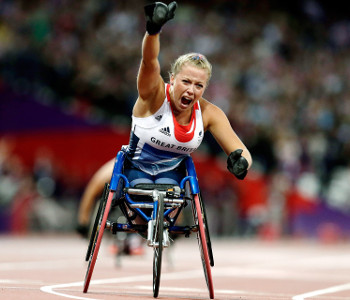
After the London 2012 Paralympics, disability sport experienced a surge in interest thanks to world class athletes like Ellie Simmons and David Weir hitting the headlines. However, three years on there are concerns that without the right marketing, people will lose interest.
Raising Concerns
David Weir, winner of four gold medals at the London Paralympics has expressed his concern that disability sport will lose the momentum it gained in 2012. His comments come after the recent National Paralympic Day, held at Olympic Park in London, attracted just 20,000 spectators. The same event two years ago had over 60,000 visitors and Weir thinks this may be down to a lack of marketing for disability sport.
Given the right time, the right day and the right change we could fill the stadium again
The event was part of a weekend long athletic games hosted by Sainsbury’s, which comprised of three days full of competition. Friday and Saturday featured able-bodied athletes such as Usain Bolt and Mo Farah while Sunday was reserved for Parasport featuring Paralympians like Richard Whitehead and Hannah Cockcroft.
Weir commented: “I don’t think it was well promoted enough. It all looked as though it was geared towards Friday and Saturday. The crowd that were there were fantastic though.
“I am a big believer that we need to be in the public’s faces all the time; it will die if we’re not on TV every week.”
Lack of Publicity
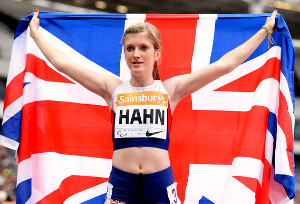
Wheelchair sprint world champion, Hannah Cockcroft, also had an opinion about the event: “I don’t think momentum is lost, the downfall here was publicising the event. Given the right time, the right day and the right change we could fill the stadium again.”
Aside from the disappointing number of spectators, the event was a great success for many disabled athletes, including 2016 Paralympic hopefuls Sophie Hahn and Georgie Hermitage who both set new world records.


