
 France
 Germany
 Italy
Italy Spain
Spain Ireland
 Czechia
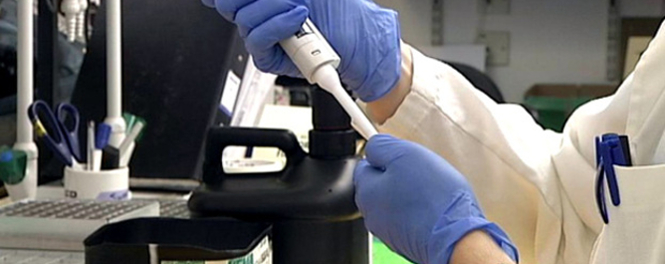
Scientists in Edinburgh have found evidence that quercetin, an extract found in many plants, fruits and vegetables, could be the key for providing treatment for a rare muscular disease that seriously affects mobility in babies.
Spinal Muscular Atrophy
The disease, known as floppy baby syndrome, is a form of spinal muscular atrophy that proves fatal for many babies born with it. The symptoms include decreased muscle tone, called hypotonia, which means that babies have severely reduced mobility and are unable to support themselves. The condition is detected very early on and affects one in 6,000 babies with almost half of these dying before the age of two.
Experts have discovered that the quercetin extract, which is a pigment found readily in nature, could help prevent damage to nerves relating to spinal muscular atrophy. The chemicals in the plant extract target specific molecules in cells that cause some of the symptoms of the disease.
Positive Results
The extract has been tested on some insect species and has had positive results, with a noticeable improvement in the condition of affected nerve and muscle cells.
Edinburgh University professor, Tom Gillingwater, who’s been working on the project, comments: “This is an important step that could one day improve quality of life for the babies affected by this condition and their families.
“There is currently no cure for this kind of neuromuscular disorder so new treatments that can tackle the progression of the disease are urgently needed.”


